
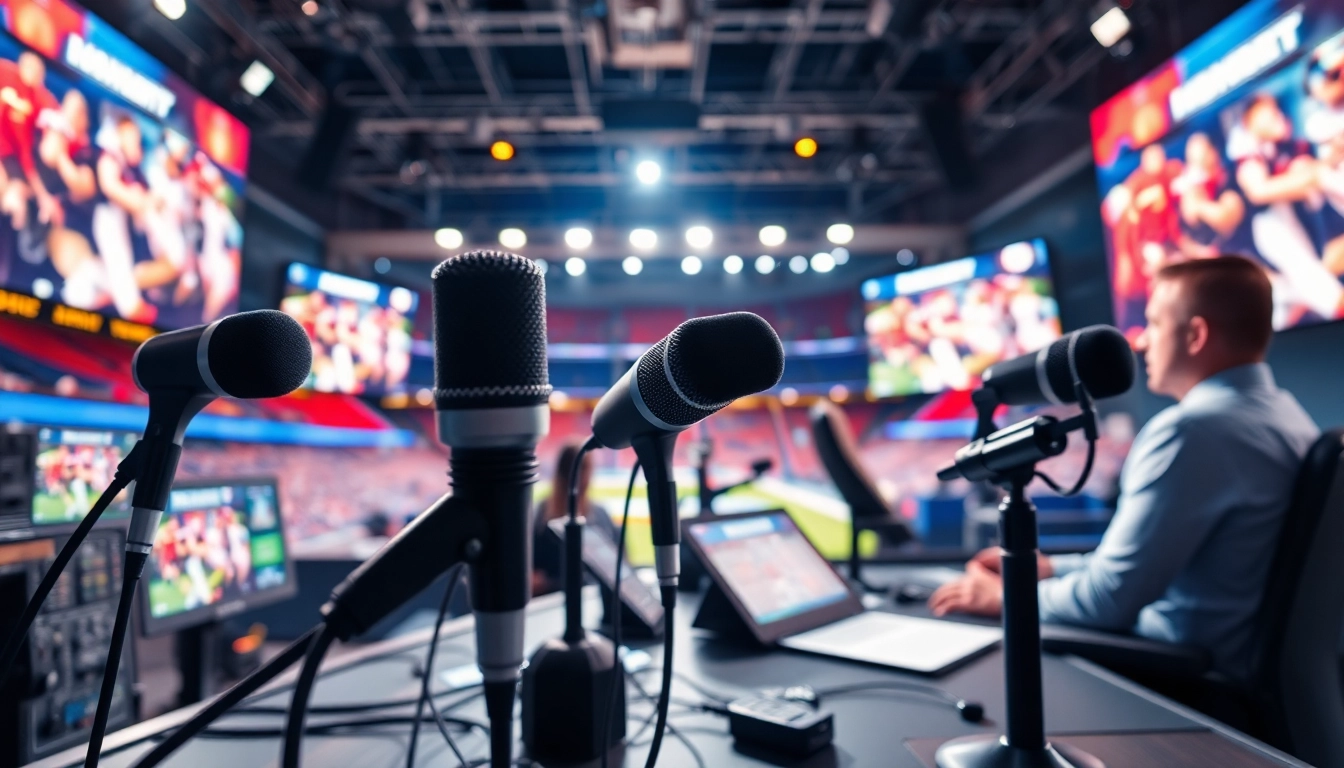
Understanding the Landscape of Sports Broadcasting
Sports broadcasting serves as the vital link between sports events and fans across the globe. It encompasses various forms of media, including television, radio, and online platforms, delivering live games and expert commentary to enhance the viewer experience. As audiences evolve, so too does the need for sports entities to adapt their broadcasting strategies. The intricate world of Sports Broadcasting demands a comprehensive understanding of its components, trends, and challenges.
Defining Sports Broadcasting
At its core, sports broadcasting refers to the dissemination of sports events via electronic mediums, enabling audiences to enjoy live performances from their favorite teams or athletes. This field incorporates various platforms such as television, live streaming, and radio broadcasts. The aim is to provide not only the visual spectacle of the sports but also to enhance the audience's understanding and enjoyment through strategic commentary, analysis, and reporting.
History and Evolution of Sports Broadcasting
The origins of sports broadcasting can be traced back to the early 20th century, with radio broadcasts covering key sporting events. With the advent of television in the 1950s, a new era emerged, allowing audiences to experience the thrill of live sports from their homes. Over the decades, technological advancements, such as satellite broadcasting, the internet, and mobile applications, significantly transformed how sports are consumed and shared. Streaming services have further enhanced accessibility, democratizing the viewing experience for devoted fans worldwide.
Current Trends in Sports Broadcasting
Currently, several trends influence the sports broadcasting landscape. One notable shift is the rise of streaming services offering on-demand and live sports coverage, moving away from traditional cable subscriptions. Moreover, social media platforms have become essential for engaging viewers through real-time updates and highlights. Enhanced interactivity, such as virtual and augmented reality, also plays a crucial role in making sports experiences more immersive for fans.
Key Elements of Effective Sports Broadcasting
Creating engaging sports broadcasts involves a combination of technology, audience connection, and expert analysis. The synergy of these elements ensures fans receive high-quality content that captivates and informs.
Essential Technology for Sports Broadcasting
The backbone of any sports broadcasting operation lies in its technology. This includes high-definition cameras, drones for aerial shots, and advanced audio equipment to ensure clarity and realism. The integration of graphics and on-screen data displays plays an integral role, providing context for viewers and helping to enhance the overall viewing experience. Additionally, adopting cloud-based systems enables broadcasters to manage content more efficiently and improve the delivery of live feeds.
Role of Commentators in Sports Broadcasting
Commentators serve as the narrators of live sports, providing context, insight, and enthusiasm to the broadcast. Their role extends beyond merely describing the action; they analyze player statistics, discuss strategies, and engage in storytelling that enhances the emotional connection for viewers. Successful commentators balance professionalism with charisma, using their knowledge and personality to draw in audiences and keep them engaged throughout games.
Importance of Audience Engagement
Engaging audiences is vital for sports broadcasters seeking to retain viewership and attract new fans. This can be achieved through interactive elements such as polls, social media interactions, and live chat features during broadcasts. Providing platforms for viewer feedback creates a sense of community among fans, strengthening their loyalty to specific sports or broadcasting entities. Additionally, incorporating behind-the-scenes content, player interviews, and post-game analysis fosters deeper connections with the audience.
Challenges in the Sports Broadcasting Industry
Despite growth opportunities, the sports broadcasting sector faces various challenges that require strategic solutions and innovative approaches to succeed.
Legal and Regulatory Issues
Broadcasting rights and regulations are crucial in shaping the sports media landscape. Legal complexities surrounding broadcasting rights can impact viewership, as teams and leagues navigate partnerships and negotiate contracts. Furthermore, adherence to regulations regarding content, sponsorships, and advertising is essential for maintaining compliance and protecting the integrity of broadcasting operations.
Technical Difficulties and Solutions
Technical malfunctions can severely disrupt live broadcasts, potentially losing audience engagement. To mitigate these risks, broadcasters must invest in reliable technology, maintain comprehensive backup systems, and conduct rigorous testing before events. Employing skilled technicians and support staff also plays a vital role in swiftly addressing any unforeseen issues during broadcasts.
Competition from Digital Platforms
As digital platforms grow in popularity, traditional broadcasters face increasing competition. Many viewers opt for the flexibility and diverse content offered by platforms like streaming services. To remain competitive, traditional broadcasters must innovate, offering unique viewing experiences through enhanced interactivity and diverse programming, keeping up with shifting audience preferences.
Strategic Approaches for Successful Sports Broadcasting
To thrive in the dynamic world of sports broadcasting, professionals must employ data-driven strategies and creative approaches tailored to their audience's preferences.
Crafting Compelling Narratives
Crafting narratives is crucial for capturing and sustaining viewer interest. By weaving engaging storylines about teams, players, and rivalries, broadcasters create emotional connections that elevate the viewing experience. Utilizing multimedia storytelling techniques enhances this narrative, incorporating voiceovers, footage, and graphics to create a more immersive experience.
Utilizing Social Media for Engagement
Social media platforms are essential tools for fostering audience engagement in today's broadcasting industry. By promoting live events, sharing highlights, and engaging in real-time conversations, broadcasters can expand their reach and build a dedicated fan base. Developing a cohesive social media strategy aligned with broadcast programming ensures consistent messaging and enhanced interaction with audiences.
Analyzing Audience Metrics and Feedback
Utilizing analytics helps broadcasters understand viewer preferences and tailor content accordingly. By analyzing data such as viewership numbers, demographics, and engagement rates, broadcasters can identify trends and adjust their strategies to better meet audience expectations. Actively seeking feedback from audiences, such as post-broadcast surveys, can provide valuable insights into content performance and necessary adjustments.
FAQs About Sports Broadcasting
What are the main types of sports broadcasting?
The main types include television broadcasts, radio broadcasts, and online streaming services, each catering to different audience preferences and enhancing accessibility.
How has digital media changed sports broadcasting?
Digital media has transformed sports broadcasting by offering on-demand viewing, enhancing interactivity, and creating platforms for fan engagement via social media and streaming services.
What role does technology play in sports broadcasting?
Technology underpins all aspects of sports broadcasting, from production quality with advanced cameras and audio equipment to distribution channels like streaming platforms, ensuring seamless viewing experiences.
What are the best practices for engaging sports audiences?
Best practices include crafting compelling narratives, utilizing interactive elements, leveraging social media, and analyzing audience feedback to enhance viewer engagement and satisfaction.
How do commentators prepare for live sports events?
Commentators typically study player statistics, team strategies, and recent performances, while rehearsing their commentary style and preparing anecdotes to enhance viewer engagement during broadcasts.