
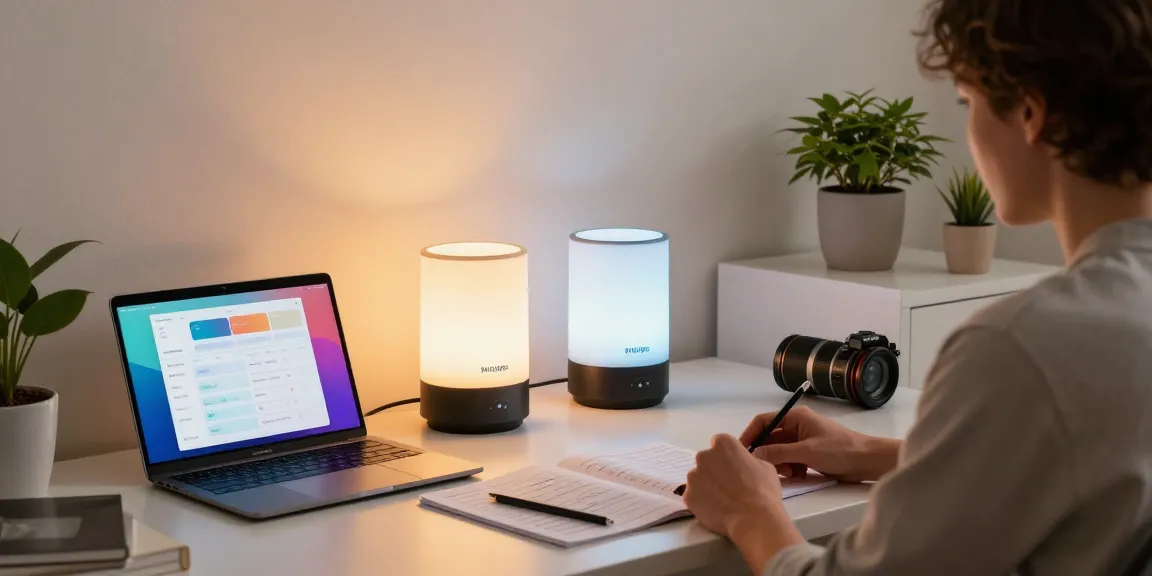
Introduction to Smart Lighting Solutions
Smart lighting has revolutionized the way we interact with our living spaces, allowing users to customize ambiance, enhance security, and improve energy efficiency. As we look toward 2026, the demand for smart lighting solutions continues to grow, with various companies competing to provide innovative products. Two of the most recognized brands in this domain are Nanoleaf and Philips Hue, known for their unique approaches to smart lighting. In this article, we will delve into a comprehensive comparison of Nanoleaf Lines vs Philips Hue, exploring key features, design, functionality, cost-effectiveness, user experience, and future trends in the industry.
Understanding the Basics of Smart Lighting
Smart lighting refers to lighting equipment that can be controlled remotely using a smartphone app, smart speaker, or automation system. These advanced systems allow users to adjust brightness, change colors, and set schedules. Unlike traditional lighting, smart lights integrate with home automation systems, providing convenience and enhancing the overall home environment.
Key Features of Nanoleaf Lines and Philips Hue
Both Nanoleaf and Philips Hue have distinct features that cater to different consumer preferences. Nanoleaf Lines offer modular and vibrant designs that can be arranged in various shapes, while Philips Hue focuses on high-quality bulbs and light strips that deliver consistent color accuracy and brightness.
Market Trends for Smart Lighting Products in 2026
By 2026, the smart lighting market is projected to see significant growth due to increased consumer awareness about energy efficiency and innovations in technology. Sustainability has become a core focus, with more manufacturers adopting eco-friendly materials and energy-saving designs. Furthermore, the integration of AI and voice control capabilities is expected to enhance user experiences.
Comparative Analysis: Nanoleaf Lines vs Philips Hue
Design and Aesthetic Appeal
One of the most striking differences between Nanoleaf Lines and Philips Hue is their design philosophy. Nanoleaf Lines are modular and allow users to create stunning geometric displays on their walls, making them a conversation starter in any room. In contrast, Philips Hue provides more traditional bulb shapes and light strips that focus on versatility and compatibility with existing decor. While both products offer aesthetic value, Nanoleaf leans more towards artistic expression.
Functionality and Ease of Use
When it comes to functionality, Philips Hue shines with its robust ecosystem, allowing for seamless integration with various smart home platforms, including Amazon Alexa, Google Assistant, and Apple HomeKit. This extensive compatibility makes it easy for users to control their lights using voice commands or automation routines. On the other hand, Nanoleaf emphasizes customization through its app, where users can create scenes and animations, but may require more effort to set up for non-technical users.
Compatibility with Smart Home Ecosystems
Both Nanoleaf and Philips Hue are designed to work with popular smart home systems. Philips Hue has established strong partnerships with smart home brands, ensuring a wide range of compatible devices and applications. Nanoleaf, while slightly less integrated, supports HomeKit, Alexa, and Google Home, but its true potential is often realized through its dedicated app.
Cost-Effectiveness and Value Proposition
Pricing Comparison: Initial Investment and Long-term Savings
Price is often a determining factor for consumers. Generally, Nanoleaf products are priced competitively compared to Philips Hue. For instance, a single Nanoleaf Line can be significantly less expensive than a Philips Hue bulb, making it an attractive choice for those on a budget. However, customers should also consider the long-term value, as Philips Hue’s greater compatibility and quality may justify its higher price in certain situations.
Durability and Product Lifespan
Both brands boast impressive lifespans, typically ranging between 15,000 to 25,000 hours. Philips Hue lights are known for high durability, often outlasting competitors due to their robust construction and reliable performance. Nanoleaf’s designs, while innovative, may be more susceptible to damage if not handled carefully, particularly during installation.
Installation and Setup Costs
Installation for both lighting solutions is straightforward, though there are nuances. Philips Hue bulbs can be easily replaced in existing fixtures, making them hassle-free. Conversely, Nanoleaf’s Lines require an initial setup that may involve more planning to achieve the desired aesthetic, and users may need to budget time or hire professionals for more complex installations.
User Experience and Customer Feedback
Real-world Application: User Testimonials
User experiences play a significant role in assessing both products. Many Philips Hue users appreciate the flexibility and reliability of the lights, often citing their performance in various home environments. In contrast, Nanoleaf fans celebrate its unique designs and the creativity it inspires, although some users have reported challenges in achieving seamless setup.
Performance Metrics: Brightness, Color Accuracy, and Customization
In terms of performance, Philips Hue generally leads with superior brightness and color accuracy across its range, making it an ideal choice for those who prioritize quality lighting. Nanoleaf, however, excels in customization features, allowing users to create personalized light scenes that can dramatically transform a space.
Common Challenges and Solutions
Both brands have their challenges. Philips Hue users may face compatibility issues with older light fixtures or require additional hubs for wireless capabilities. Nanoleaf users might struggle with the initial complexity of setup. Community forums and support resources can provide solutions, ensuring user satisfaction.
Future of Smart Lighting: Innovations and Trends
Emerging Technologies and Features in 2026
Looking ahead, smart lighting will evolve with continued advancements in AI and IoT. Features such as dynamic lighting scenarios that adapt to the time of day or user mood will likely become standard. Nanoleaf and Philips Hue are expected to lead in this space, continually innovating to enhance user experience.
Integrating Sustainability in Smart Lighting Products
As sustainability becomes paramount, manufacturers are likely to adopt eco-friendly practices. This includes utilizing recycled materials in product manufacturing and improving energy efficiency, aligning with consumer demands for responsible purchasing choices.
Predicted Market Shifts and Consumer Preferences
As more consumers embrace smart home technology, preferences are predicted to shift toward integrated systems that offer both functionality and aesthetic appeal. The competition between Nanoleaf and Philips Hue will drive innovation, benefiting consumers with more options in terms of design and performance.
What are the main differences between Nanoleaf Lines and Philips Hue?
The primary differences lie in design, functionality, and brand ecosystem compatibility. Nanoleaf focuses on visually striking designs and creative applications, whereas Philips Hue is built on reliability and extensive integration with smart home platforms.
Which smart lighting system offers better integration with home devices?
Philips Hue typically offers better integration with a broader range of smart home devices compared to Nanoleaf. Its established partnerships with various platforms enhance its compatibility with existing smart home ecosystems.
How much should I budget for smart lighting in my home?
For a complete smart lighting solution, budgeting between $100 to $300 is reasonable, depending on the complexity and number of fixtures. This estimate should include initial investment costs for bulbs and any necessary hubs or additional equipment.
What are common issues users face with Nanoleaf or Philips Hue?
Common issues include setup challenges for Nanoleaf and compatibility concerns for Philips Hue. User forums can provide valuable insights and solutions for addressing these concerns effectively.
Will smart lighting systems evolve in terms of sustainability?
Yes, the future of smart lighting systems is likely to evolve with a significant focus on sustainability, driven by consumer demand for eco-friendly products and practices in manufacturing.. Additionally, Nanoleaf Lines Montage und Setup provides further details.
