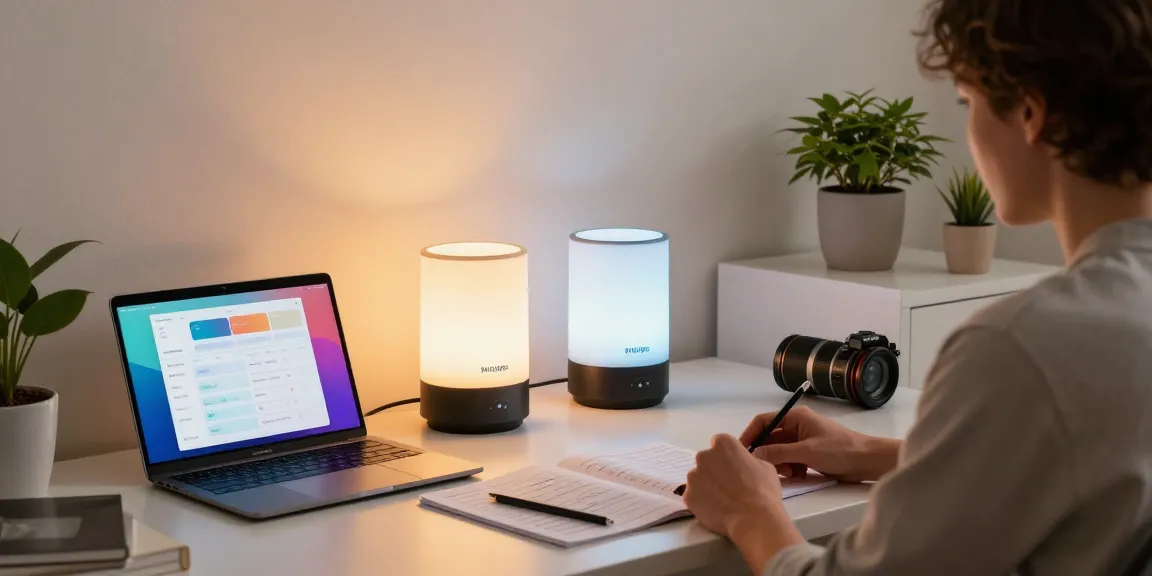

Understanding Smart Lighting Solutions
The advent of smart lighting has revolutionized how we perceive and use lighting in our homes and workspaces. With advancements in technology, consumers now have choices that go beyond merely illuminating a space; they can create atmospheres tailored to their moods and activities. In this landscape, two prominent brands, Nanoleaf and Philips Hue, have emerged as leaders, each offering unique features and benefits that cater to different user needs. When exploring options, Nanoleaf Lines vs Philips Hue provides comprehensive insights into a smart lighting comparison that can help users make informed decisions.
What are Nanoleaf Lines?
Nanoleaf Lines are an innovative LED light product designed to offer a customizable and dynamic lighting experience. Unlike traditional light bulbs, these light bars can be mounted in creative arrangements to create visually striking designs on walls. Users can control Nanoleaf Lines using a smartphone app, set schedules, and even sync them with music or gaming setups for an immersive experience. The modular nature of the product means users can expand their configurations with ease, adapting the lighting to fit their aesthetic preferences.
Overview of Philips Hue Technology
Philips Hue has established itself as a staple in smart lighting, providing a wide range of products, from bulbs to light strips. The core technology behind Philips Hue emphasizes versatility and integration, allowing users to control lighting via smartphone apps, voice commands, or home automation systems. Philips Hue lights are known for their superior color accuracy and brightness, giving users the ability to create specific ambiances suited to various occasions. Furthermore, Philips Hue is compatible with popular smart home systems, enhancing its appeal to consumers invested in comprehensive home automation.
Key Features of Smart Lighting Systems
Both Nanoleaf and Philips Hue showcase a variety of features that enhance user experience. Key aspects to consider when evaluating smart lighting solutions include:
- Customization: Both systems allow for personalized color settings and brightness adjustments.
- Integration: Philips Hue has a broader compatibility with existing smart home systems, while Nanoleaf focuses on unique design capabilities.
- Control Options: Users can enjoy controlling their lights through apps and voice commands across both brands.
- Energy Efficiency: Smart lights, in general, help reduce energy usage compared to traditional lighting options.
Price Comparison: Nanoleaf Lines vs Philips Hue
Cost Analysis of Smart Lighting Options
When making a purchasing decision, price is often a primary consideration. Nanoleaf Lines tend to be priced more affordably compared to Philips Hue products. The cost of smart lighting products can vary significantly depending on the functionality and features offered. For instance, while a basic setup of Nanoleaf Lines might start around $150, a starter pack of Philips Hue bulbs could easily exceed $200, especially when factoring in the required Hue Bridge for full functionality.
Value for Money: Features Against Price
Understanding the value for money associated with each product is crucial. Nanoleaf’s approach typically emphasizes creative customization at a lower cost, making it appealing for users interested in aesthetic features. On the other hand, Philips Hue justifies its higher price tag through superior performance, especially in brightness and color accuracy, making it ideal for primary lighting needs.
Long-Term Investment Considerations
Investing in smart lighting is not just about the initial purchase. Consider the long-term benefits, such as energy savings and the durability of the products. Philips Hue lights generally have a longer lifespan, providing reliability for everyday use, whereas Nanoleaf may require more frequent updates due to its dependence on more complex configurations.
Performance Metrics: Brightness and Color Quality
Measuring Lumens and Light Output
One of the most critical components in determining the effectiveness of smart lighting solutions is brightness, measured in lumens. Philips Hue lights generally range from 800 to 1600 lumens depending on the model, making them suitable for general indoor lighting. In contrast, Nanoleaf Lines provide 100-300 lumens per panel, focusing instead on decorative lighting that sets a mood rather than fully illuminating a space.
Color Accuracy: A Side-by-Side Look
Color quality is essential for creating the desired atmosphere in any space. Philips Hue lights are often praised for their accurate and consistent color reproduction. Reviews indicate that while Nanoleaf lights offer unique color possibilities, they may struggle with certain shades and brightness levels compared to Philips Hue, which can impact the overall user experience.
Real-World Usage Scenarios
Both lighting systems can be utilized effectively in various settings. For instance, in a gaming room, Nanoleaf Lines can create a vibrant backdrop that syncs with gameplay, enhancing the immersive experience. On the other hand, Philips Hue is ideal for living rooms and workspace environments that require effective lighting for both functionality and relaxation.
Smart Features and Integration Capabilities
Compatibility with Smart Home Systems
Integration capabilities with smart home systems can significantly enhance user experience. Philips Hue lights work seamlessly with a variety of platforms, including Apple HomeKit, Google Assistant, and Amazon Alexa. Nanoleaf also offers compatibility but is primarily focused on standalone usage and aesthetic design, making it less flexible in a multi-device setup.
Control Options: App vs Voice Command
Both brands provide robust apps for controlling lighting. Users can adjust settings, set routines, and automate their lighting preferences with just a few taps. Voice control is another essential feature, with both platforms supporting popular interfaces like Amazon Alexa and Google Assistant, making it easy to operate lights hands-free.
Future-Proofing Your Home Lighting
As technology continues to evolve, the need for future-proofing your lighting investment becomes vital. Philips Hue regularly updates its software and hardware, ensuring compatibility with new smart devices and features. Nanoleaf, while innovative, may necessitate more frequent product updates as the technology progresses, particularly given its emphasis on aesthetic setups.
User Experience and Customer Feedback
Gathering Insights from User Reviews
User feedback is invaluable in assessing the performance and satisfaction derived from smart lighting systems. Reviews highlight that users appreciate the unique design offerings of Nanoleaf and its ability to transform spaces artistically. In contrast, Philips Hue receives accolades for its reliability and superior light quality, making it a popular choice for those prioritizing functionality.
Community Discussions: What Are Users Saying?
Online communities, such as Reddit and dedicated forums, provide platforms for users to share their experiences and preferences. Discussions often center around the aesthetic appeal of Nanoleaf versus the dependable performance of Philips Hue, revealing a divide based on user priorities between design and functionality.
Common Issues and Troubleshooting Tips
Common complaints about Nanoleaf often revolve around connectivity issues and color discrepancies. Users can troubleshoot these by ensuring firmware is up to date and networks are stable. For Philips Hue, users report occasional difficulties with the Hue Bridge setup; however, these can typically be resolved with basic troubleshooting steps. Understanding these common challenges helps potential buyers make informed decisions about their choices.
What are the main differences between Nanoleaf Lines and Philips Hue?
The primary differences between Nanoleaf Lines and Philips Hue lie in their design philosophy and functionality. Nanoleaf is geared towards visual artistry and customization, allowing for creative room setups, while Philips Hue focuses on providing reliable, high-quality light output suitable for various tasks.
Which lighting system is more cost-effective?
In terms of cost-effectiveness, Nanoleaf Lines may offer a more budget-friendly option up front, but Philips Hue provides better longevity and performance, potentially resulting in lower costs over time due to its energy-efficient options.
How do each of these products perform with smart home integration?
Both products perform well within smart home ecosystems, but Philips Hue has a more robust integration with existing platforms, making it easier to incorporate into a connected home setup.
What additional features enhance user experience?
Additional features such as color sync with music and gaming in Nanoleaf enhance the creative aspect of lighting, while Philips Hue excels in providing automation and energy efficiency, catering to users looking for practical solutions.
Are there significant complaints or issues noted by users?
While both systems have their share of complaints, issues typically stem from connectivity disruptions with Nanoleaf and setup complexities with Philips Hue. For more information, Nanoleaf Lines Montage und Setup offers valuable insights. Understanding these insights enables potential users to weigh their options effectively.